Carnation Flower Meaning, Colour Guide & Symbolism
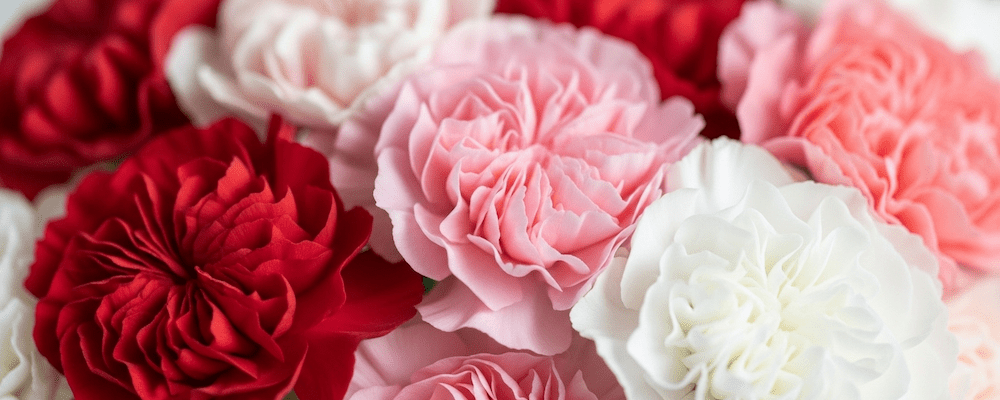
In the vast and vibrant world of flowers, few can claim a history as rich, a spectrum of colors as broad, or a range of meanings as diverse as the carnation. For over two millennia, this humble yet captivating bloom, with its signature ruffled petals and sweet, clove-like fragrance, has been a silent witness to history, a muse for artists, and a messenger for the human heart. It’s a flower that feels both timeless and contemporary, perfect for grand celebrations and simple gestures alike.
Where do carnations originate from?
The story of the carnation is a story of civilization itself. Its origins trace back to the sun-drenched landscapes of the Mediterranean, where it grew wild and free. The ancient Greeks and Romans were the first to cultivate the carnation, valuing it for its beauty and fragrance. This heavenly blossom was a cornerstone of their culture, woven into ceremonial crowns for athletes, used to adorn celebratory garlands, and featured prominently in religious rites.
How did carnations get their name?
The Greek botanist Theophrastus christened the flower "Dianthus," a combination of the Greek words dios (divine) and anthos (flower), thus naming it the "Divine Flower" or "Flower of the Gods." The common name "carnation" is believed by some to be a derivative of "coronation" or the Latin "corone" (flower garlands), a direct nod to its use in these ancient Greek ceremonial crowns. Another theory suggests it comes from the Latin word "caro," meaning flesh, referring to the flower's original pinkish hue.
What do carnations symbolise?
Generally, carnations are a symbol of love, fascination, and distinction. However, their meaning can change dramatically depending on the color and the cultural context. In the 19th-century Victorian era, the carnation was a key player in floriography, the "language of flowers," where bouquets became secret messages. A red carnation could signal deep admiration, while a yellow one might convey rejection. This intricate floral code made the carnation one of the most expressive and versatile flowers of the time. Today, they remain a potent symbol for a wide range of emotions and occasions.
What are the different carnation colour meanings?
The true magic of the carnation lies in its vast color palette. Its specific message is a kaleidoscope of meaning, shifting with every hue.
Red Carnations
Red is the undisputed color of the heart, and red carnations speak of passionate, romantic love and deep affection. A lighter shade of red can express admiration and respect.
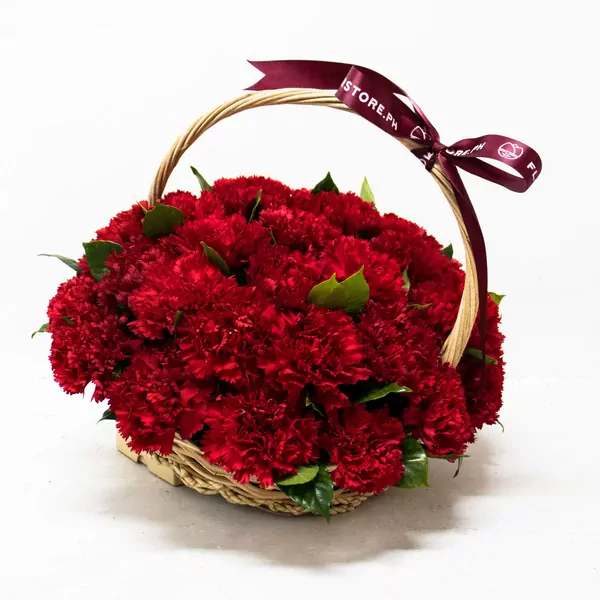
Pink Carnations
Tied to the legend of the Virgin Mary's tears, pink carnations are the quintessential symbol of a mother's pure, unconditional, and undying love. They are a perfect way to show gratitude.

White Carnations
White carnations represent pure love, innocence, and faithfulness. They are also given as a token of good luck for someone embarking on a new journey. In many cultures, they also carry a more solemn meaning of remembrance.
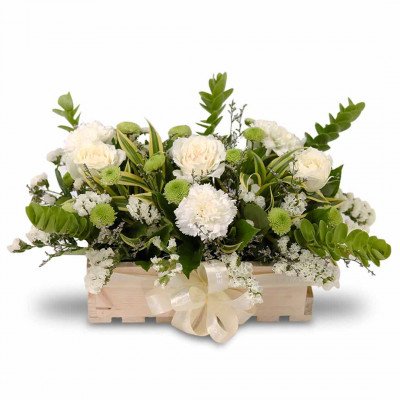
Yellow Carnations
While in the Victorian era a yellow carnation symbolized disdain and rejection, the modern interpretation is far more cheerful. Today, it is more commonly associated with joy, friendship, and happiness.
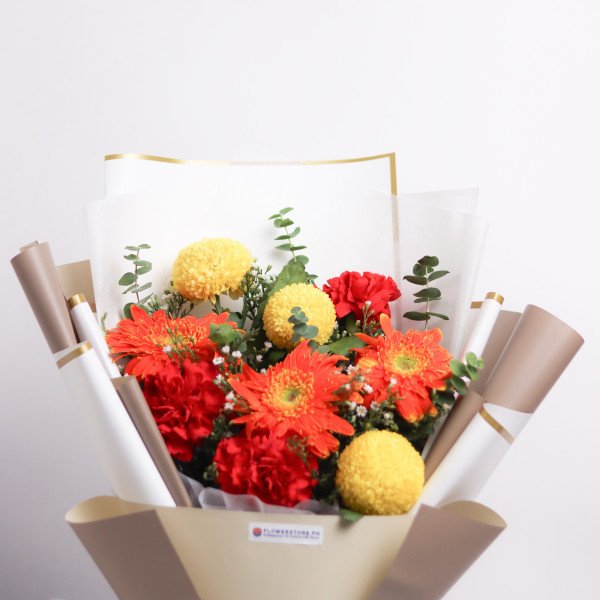
Purple Carnations
Purple carnations symbolize capriciousness, spontaneity, and fascination. They are the perfect flower for the free-spirited and adventurous person in your life.
Striped Carnations
A striped carnation carries a message of regret or refusal. In Victorian floriography, it meant "No," or "I'm sorry, I can't be with you."
The different types of carnations
While most people picture the classic florist's flower, carnations come in several distinct types:
- Large-Flowered Carnations (Standard Carnations): These are the classic carnations, featuring one large, full bloom on a long stem. They are the most popular type for bouquets and formal arrangements.
- Spray Carnations (Mini Carnations): These varieties have multiple smaller blooms on a single branching stem. They are often used as filler flowers in arrangements and add a delicate, playful touch.
- Dwarf-Flowered Carnations: These are smaller, more compact plants that are perfect for garden borders, pots, and window boxes. They offer the same beautiful blooms but on a much smaller scale.
Flowers that look like carnations
If you love the ruffled, full look of a carnation, several other flowers share a similar aesthetic. Garden Roses, especially English varieties, have a dense, multi-petaled look. Peonies offer large, lush, and fluffy blooms that are reminiscent of carnations on a grander scale. Ranunculus also features delicate, paper-thin petals in a tight, swirling pattern that gives them a similar appearance.
When do carnations bloom?
When planted in a garden, most carnation varieties bloom from late spring into the summer, typically between May and July. If you deadhead the spent flowers (remove the old blooms), you can often encourage a second, smaller blooming period later in the summer or early autumn, extending the flowering season through September.
Do carnations come back every year?
Yes, most carnation varieties are short-lived perennials, which means they will come back for several years under the right conditions. They are hardy and can survive colder, frostier periods to flower again the following year. To help them return, it's best to prune them back after the first frost. However, some varieties are treated as annuals, especially in very cold climates.
How long do carnations last when cut?
One of the most appealing qualities of carnations is their remarkable vase life. With proper care, a bouquet of cut carnations can easily last for up to two weeks, and sometimes even longer. To maximize their life, re-cut the stems at an angle, place them in fresh water with flower food, and keep them away from direct sunlight and heat.
Fun facts about carnations!
- They are the official birth flower for the month of January.
- The carnation is the official flower for a 1st wedding anniversary.
- In China, carnations are the most popular flower used in wedding ceremonies.
- The scientific name, Dianthus caryophyllus, roughly translates to "Flower of the Gods."
- Some varieties have edible petals, which have a peppery, clove-like flavor and can be used in salads and as a garnish.